Announcement: Fixed departure groups for


The trek typically begins from Naggar, a historic town situated at an altitude of around 1,800 meters (5,900 feet) above sea level. From here, trekkers move towards Rumsu village, which lies slightly higher at about 2,100 meters (6,900 feet). This initial stretch is relatively gentle, passing through traditional Himachali settlements, terraced fields, and dense forests of pine and deodar, offering a gradual experience of increasing altitude.
The trail wastes no time earning your attention. Leaving Rumsu near Manali, the path disappears into forest corridors where pine trees stand well above the oaks, maples, and competing below. Climbing higher, the trees thin and meadows begin to breathe. The Kullu Valley reveals itself slowly, like something being unwrapped. Pir Panjal and Dhauladhar fill the skyline with cold authority. Nights here spent under open stars in clearings or Chaklani meadow carry a particular stillness that lingers long after the trek ends.
Just beyond Chaklani, the trail sharpens. A 2-kilometre ridge walk pushes toward the pass with real intent, and the payoff is immediate. Friendship Peak appears first, then Hanuman Tibba and Shikar Beh come into focus, with both Pir Panjal and Dhauladhar spreading wide across the horizon.
The full crossing runs about 20 kilometres across 4 days. Close to Manali, straightforward to access, and measured in its altitude gain, Chandrakhani never bullies you upward. No technical scrambles are demanding specialised skills, no brutal obstacles waiting to humble the unprepared. That kind of trail is rare in these mountains.
What makes Chandrakhani Pass worth remembering is the combination it pulls off quietly. History is present in every step. The views hit hard. The altitude climbs meaningfully. And yet none of it asks for previous experience to be earned. First-time trekkers find genuine footing here, challenged enough to feel it, supported enough to finish strong. In all of Himachal's Himalayan offerings, that balance is genuinely hard to find. Himachal Pradesh calls trekkers through routes that have earned their reputations the hard way, Pin Bhaba, Rupin, Buran Ghati, Borasu, Kugti, Hampta, each one carving through peaks that refuse to be ignored. The land here doesn't soften itself for visitors. Even Hampta Pass, often labelled the gentler option, throws river crossings and punishing stretches at hikers who weren't quite ready for them.
5 reasons to motivate you for the Chandrakhani Pass Trek
1. Stunning Forest Trails
The trek begins with beautiful walks through dense forests filled with pine, oak, maple, and rhododendron trees. The variety of greenery makes the initial days peaceful and refreshing.
2. Vast Meadows & Wildflowers
As you gain altitude, the forests open into expansive meadows. In monsoon months, especially around the Kullu Valley side, these meadows are covered in colourful wildflowers, creating a dreamlike landscape.
3. Grand Mountain Views
From the pass and ridge, you get breathtaking views of the Pir Panjal Range and Dhauladhar Range, along with famous peaks like Hanuman Tibba and Friendship Peak.
4. Easy Access to a High Pass
Unlike many Himalayan passes, Chandrakhani is relatively easier to reach. It gives you the thrill of crossing a high-altitude pass without requiring advanced trekking experience.
5. Scenic Campsites & Ridge Walk
Camping at places like Chaklani and walking along the ridge to the pass is a highlight. The ridge walk offers panoramic views on both sides, making it one of the most memorable parts of the trek.
Complete Information About The Chandrakhani Pass Trek
Our mission has always been simple: to ensure that no trekker steps into the Himalayas unprepared. A trek is far more than a checklist of summits—it is a profound journey, a test of resilience, and a dialogue with nature itself. The difference between a reckless climb and a soulful experience lies in one thing: perspective.
This section is your ultimate guide to the Chanderkhani Pass Trek. Years of hands-on experience, combined with real-time insights from fellow trekkers, have been distilled here to give you a crystal-clear view of what awaits on the trail.
We share this depth of knowledge because we want you to be more than a visitor. We want you to be a responsible, aware, and empowered trekker—someone who approaches the mountains with respect, preparation, and purpose.
Chanderkhani Pass Trek Complete Guide
Our mission has always been to ensure that no trekker steps into the Himalayas without the right perspective. A trek is not just a checklist of summits; it is a serious commitment to the outdoors. Having the right information is what separates a reckless climb from a soulful journey.
This section serves as your definitive manual for the Chanderkhani Pass Trek. We have distilled years of mountain experience and real-time feedback into this guide to give you a clear, honest picture of the trail.
We provide this depth of information because we want you to be more than just a visitor—we want you to be a prepared, responsible trekker who respects the mountains as much as we do.
Note: Pickup from Manali market. Drive to rumsu village by Tempo Travelers and Bolero.
Day 1: Arrival in Manali & Drive to Rumsu Village
Pickup: 9:30 am | Drive: 29 km Approx. 1.5 – 2 hrs | Altitude: 1,950 m to 2,100 m
Day 2: Rumsu to Naya Tapru (The Forest Ascent)
Trek: 4 – 5 km | Approx: (3 – 4 hrs) | Altitude: 2,100 m to 3,200
Day 3: Trek from Naya Tapru to Chaklani Camp (Alpine Meadows)
Trek: 2 km | Approx: 2.5 – 3 hrs | Altitude: 3,200 m to 3,400 m
Day 4: trek chaklani to Chandrakhani Pass top and back to Naya Tapru
Trek: 8 km total (Approx:6 – 8 hrs) | Altitude: 3,400 m → 3,700 m → 3,200 m
Day 5: Trek from Naya Tapru to Rumsu. Drive back to Jungle Line Campus at Manali.
Trek: 4 – 5 km (Approx: 3 hrs) | Drive: 29 km | Altitude: 3,200 m to 1,950 m
Day 1
Day 2
Day 3
Day 4
Day 5
Day 1: Arrival in Manali & Drive to Rumsu Village
Drive: 29 km (Approx: 1.5 – 2 hrs) | Altitude: 1,950 m to 2,100 m
Pickup to you from Manali Mall Road at 9:30 am, same day. Drive to Rumsu village, overnight stay at the camp.
With Himalayan hikers, the journey begins with a short drive from Manali to Rumsu, a quiet village perched above the Beas Valley. On arrival, settle into your camp or guesthouse, take a gentle walk through the village lanes, and let the altitude settle into your lungs. Rumsu carries an unhurried rhythm—fruit orchards, stone walls, and the distant hum of the river below. Spend the evening with your guide reviewing the trail ahead. An early night here pays dividends later.
Day 2: Rumsu to Naya Tapru (The Forest Ascent)
Trek: 4 – 5 km (Approx: 3 – 4 hrs) | Altitude: 2,100 m to 3,200 m
Day two of the Chandrakhani Pass trek unfolds through dense pine forests from Rumsu. Towering trees, oak, maple, and blooming rhododendrons (in season) create a vibrant landscape. The trail is wide and gentle, rising steadily over 4–5 km. As you gain height, glimpses of distant peaks appear. By late afternoon, you reach Naya Tapru, a quiet forest clearing—perfect for camping, watching the valley glow, and resting under starlit skies.
Day 3: Naya Tapru to Chaklani Camp (Alpine Meadows)
Trek: 2 km (Approx: 2.5 – 3 hrs) | Altitude: 3,200 m to 3,400 m
From Naya Tapru, the trail soon leaves the forest, opening into vast alpine meadows. The Kullu Valley stretches below, while the Pir Panjal and Dhauladhar ranges rise across the horizon. By afternoon, you reach Chaklani Meadow (3,200 m to 3,400), a stunning high-altitude campsite. The shorter day allows time to rest, acclimatize, and explore nearby ridges. As evening falls, golden light fades into a sky full of stars, making for a peaceful and rewarding mountain experience.
Day 4: Summit Day | Chandrakhani Pass & Return to Naya Tapru
Trek: 8 km total (Approx: 6 – 8 hrs) | Altitude: 3,400 m → 3,700 m → 3,200 m
Summit day on the Chandrakhani Pass begins before dawn, climbing from Chaklani Meadow along a narrow ridge. The path is exposed, the air thinner, demanding focus with every step. At 3,700- m, sweeping Himalayan views unfold—Friendship Peak, Hanuman Tibba, and vast ranges beyond. The Malana Valley drops steeply on the far side, adding mystery. After taking it all in, descend carefully along the same ridge to Naya Tapru, where a warm meal and deep satisfaction await.
Day 5: Naya Tapru to Rumsu & Farewell Drive
Trek: 4 – 5 km (Approx: 3 hrs) | Drive: 29 km | Altitude: 3,200 m to 1,950 m
The final morning of the Chandrakhani Pass trek arrives softly unhurried and quiet. Descending from Naya Tapru through familiar pine forests, the air feels richer and the light gentler. By late morning, Rumsu welcomes you with tea, orchards, and valley views. After heartfelt goodbyes, the drive to Manali is calm and reflective. The trek, known for its seasonal beauty, ends with a warm celebration—stories shared, bonds formed. The mountains fade behind but remain within you long after.
Difficulty level of Chandrakhani Pass Trek
1) Steep uphill stretches
Some parts of the trail climb sharply, especially near the pass. Your legs get tired quickly, and you’ll need frequent breaks.
2)High altitude (~3,600 m)
As you go higher, oxygen levels drop. This can cause:
- Breathlessness
- Slower walking pace
- Mild headaches or fatigue
Even fit people feel the difference here.
3) Long trekking hours
You may walk 5–7 hours a day, sometimes continuously. It’s not just difficulty—it’s endurance over time that tests you.
4). Carrying weight
Even a light backpack starts to feel heavy after hours of walking, especially on climbs.
5). Unpredictable weather
- Mountain weather can change fast:
- Sudden rain
- Cold winds near the top
- Temperature drops
- This adds to physical and mental strain.
6) Uneven terrain
You’ll walk on:
- Rocky paths
- Forest trails
- Loose soil
This demands balance and careful footing.
7) Mental challenge
It’s not just physical—long climbs, tiredness, and changing conditions can test your patience and motivation.
In simple terms:
It’s challenging because you’re walking long hours, uphill, at high altitude, with changing weather—all at once.
Best Time to Visit Chandrakhani Pass Trek
The Chandrakhani Pass trek is known for its changing beauty across seasons—snow, flowers, greenery, and crisp mountain views. Choosing the right time depends on what kind of experience you want.
May -June
- Day temperature: 15 °C –22°C
- Night: ~5–8°C
- No extreme cold, no heavy rain
May and June, in these 2 months, hit the perfect balance between safety, scenery, and comfort. In June, snow conditions become significant beyond Chaklani.
Shortly after leaving the Chaklani campsite, trekkers begin to encounter continuous stretches of snow that persist all the way up to the pass.
The snow cover does not end at the summit—on the descent as well, substantial snow remains for a considerable distance. On both sides of the pass, the snow can be quite deep, making the terrain more demanding and requiring careful navigation.
July-August
- Day temperature: 15 °C and 20 °C
- Nighttime: Will drop to temperatures between 1 °C and 5 °C.
- Rainy season
July–August isn’t entirely accurate for everyone, but it can be amazing if you specifically love monsoon trekking. By July, the snow begins to recede quickly, though patches remain on the higher sections near the pass.
As the month progresses, especially from mid-July onward, the landscape undergoes a striking transformation. The arrival of early monsoon showers brings new life to the valley. The slopes on the Kullu side turn lush green, and vibrant wildflowers start blooming across the meadows.
At times, the trail is lined so densely with flowers that trekkers find themselves walking through colourful stretches on both sides, creating a truly immersive and scenic experience.
September
- Day temperature: 10°C–18°C (day)
- Night 0°C–5°C (night)
- Crystal-clear mountain views
- Clean air after rains
- Stable trekking conditions
After mid-September, the weather begins to clear, revealing crisp blue skies and excellent mountain views. The landscape slowly shifts into early autumn tones, adding warm hues to the slopes. This is when the Chandrakhani Pass looks especially vibrant.
Sunrises and sunsets become particularly stunning, with golden light falling on the surrounding peaks. Snow-covered mountains stand out sharply against the clear skies, making this period one of the most scenic and rewarding times to experience the trek.
How to plan your travel for the Chadrakhani Pass Trek
We suggest reaching Manali a day before your trek officially begins. For example, if your trek starts on 22nd May, plan your arrival for 21st May. This extra time acts as a safety cushion for delays and helps you acclimatise and rest.
Your journey begins by reaching Himachal Pradesh, typically via Delhi or Chandigarh, which are the main transit hubs.
By Train
If you prefer trains, travel to: Chandigarh Railway Station
From Chandigarh, you can easily find buses or taxis to Kullu or Manali. Though there is a smaller station at Joginder Nagar Railway Station, it’s less convenient for most travellers.
By Air
The nearest airport is Kullu–Manali Airport.
Flights connect from Delhi. Once you land at Bhuntar, it’s just a 1–1.5-hour drive to your base village.
- Hire a taxi (30–60 minutes)
- Rumsu is a quiet Himalayan village where traditional wooden houses and mountain culture give you a perfect trekking start.
By Road (Most Popular Option)
For most travellers, road travel is the easiest and most scenic:
First, reach the ISBT Kashmiri Gate, then you have lots of options for buses.
- Overnight buses run from Delhi to Kullu or Manali
- Travel time: 10–14 hours.
- Both government (HRTC) and private Volvo buses are available
- From Kullu or Manali, your mountain journey truly begins.
- Hire a taxi (30–60 minutes)
- Rumsu is a quiet Himalayan village where traditional wooden houses and mountain culture give you a perfect trekking start.
If you have your own vehicle then you can also take this option.
- Reaching the Base Village: Rumsu
- Once in Kullu/Manali, head to:
- Rumsu village – the actual trek starting point
You can:
- Take a local bus
- Hire a taxi (30–60 minutes)
- Rumsu is a quiet Himalayan village where traditional wooden houses and mountain culture give you a perfect trekking start.

Necessary Items for trekkers
Mandatory Documents
Original and photocopy of government photo identity card- (Aadhar Card, Driving License, Voters ID, etc,)
Passport and Visa important to foreigners
Medical Certificate (First part should be filled by the Doctor and Second part by the Trekker)
Declaration Certificates
Note: – Many trekkers commit the same mistake of carrying unnecessary items on a trek which only makes the backpack heavy. It is important to know the right items to carry. It differs from season to season if you are trekking in summers then carry less layers of warm clothing and if you are trekking in winters carry enough layers to protect yourself against chilly cold.
Basic Trekking Gears

The Clothes You Should Bring On Satopanth Expedition

Head Gears

Foot Gears

Personal Care Essentials

Carry a Personal Medical Kit

Are you Looking for Trekking Equipment on Rent?
If any trekker requires trekking equipment on rent, Himalayan Hikers offers the best-quality gear available for rental. Many individuals are in need of such equipment, and renting provides a cost-effective solution, allowing them to access high-quality gear at an affordable price without the need for a significant investment for short-term use.

Trek Equipment You can book directly on first day at the Base Camp.
Note:-
Please take all medicines only when prescribed by the doctor. In case you face any problem during your trek,
discuss and take advice from the Professional guide.
The Trek is one of the most popular treks in Uttarakhand, Himachal,Kashmir,Laddakh,Sikkim,Nepal, requiring both physical preparation and mental readiness. Although it is categorized as a moderate trek, reaches an elevation of over 12,720 feet and traverses remote Himalayan terrain, which can be physically and mentally challenging. Here's how you can prepare yourself for a safe and successful accomplishment of the Trek:
Physical Fitness
Building a good fitness base is essential for every trekker. The Trek itinerary involves 5 to 6 hours of walking every day. Though the trails are well-marked, they are often bumpy and include steep uphill sections, which may affect your stamina. You can overcome your physical limitation with a 6-week training program that you can begin about 2 months before your Trek. Your 6-week fitness routine should include
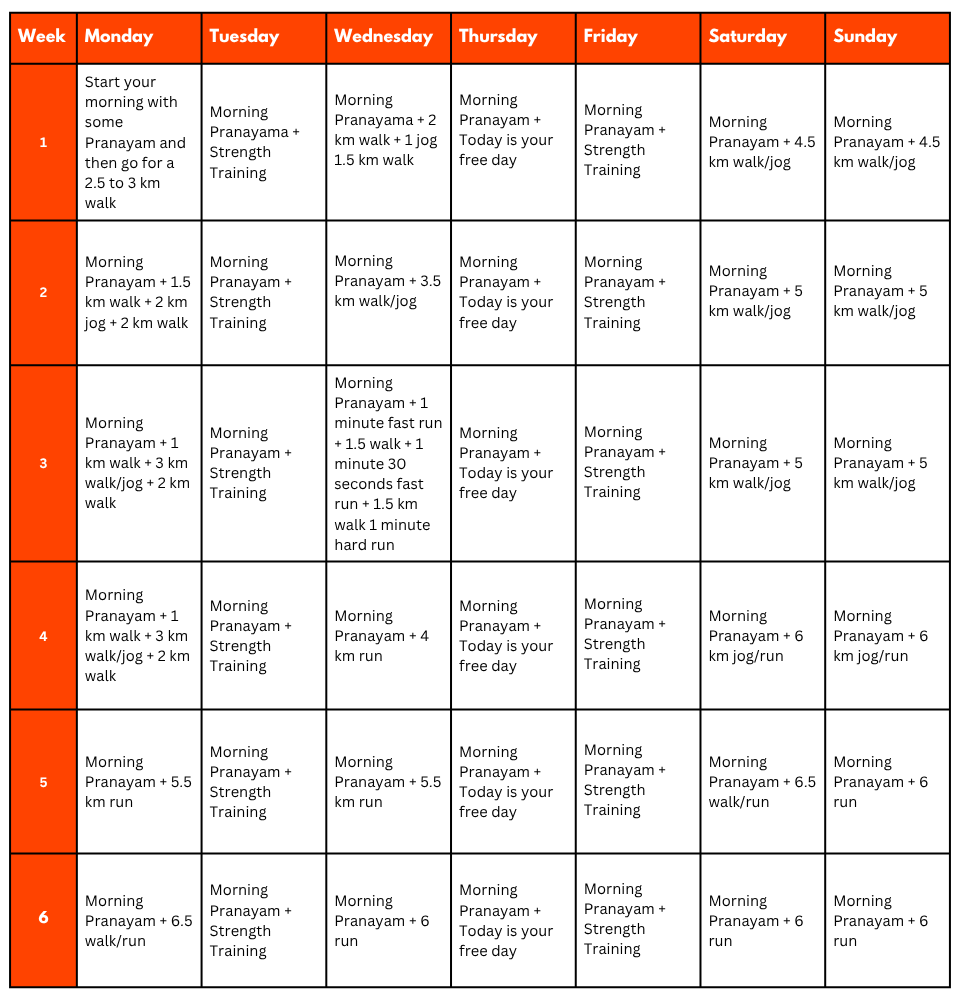
Pro Tip: If you have time, you can skip the Sunday training and go for a long-distance walk or mini day-hike (7–10 km) with a loaded backpack to simulate real trekking conditions. A short 1-day hike around your city/town can help a lot.
Mental Preparation
Physical strength is only half the journey, the other half is mental resilience. The trail takes you through remote clearings, steep climbs, cold starry nights, and no mobile connectivity. Be prepared to:
(I) - Detach from the digital world.
(II) - Embrace basic mountain living (camping, toilet tents, limited electricity).
(III) - Push through moments of fatigue, weather discomfort, or altitude effects.
A positive mindset, patience, and the ability to adapt will carry you farther than muscle ever could.Himalayan Hikers is a reputable trekking company that places a high priority on safety. Here are some of the safety measures they take to ensure the safety of their clients during the Trek:
Experienced Guides: Himalayan Hikers hires experienced and certified guides who are well-versed in the terrain, weather conditions, and local culture. These guides have first-hand knowledge of the routes and are equipped to handle any emergency situations that may arise.
Proper Gear: The company provides all the necessary gear and equipment to their clients to ensure comfort and safety during the trek.
Hygiene and Sanitation: Himalayan Hikers places great emphasis on hygiene and sanitation during the Trek. They provide clean drinking water, hand sanitizers, and toilet tents to ensure that their clients are healthy and comfortable.
Emergency Services: The company has a well-defined protocol for handling emergency situations. They have a team of trained medical professionals who are available 24/7 and can be quickly mobilized in case of an emergency.
Acclimatization: Himalayan Hikers follows a gradual acclimatization process during treks to ensure that their clients adjust to the high altitude gradually. They also monitor the health of their clients regularly and provide necessary medical attention if required.
Overall, Himalayan Hikers places a great emphasis on safety and takes all necessary measures to ensure the safety and well-being of their clients during treks.
| Category | Details |
|---|---|
| Transport | Transport from Manali To Manali traveller & taxi |
| Permits & Entry | Forest Permit and Entrance Fees |
| Accommodation | Tented Accommodation on Twin / triple Sharing |
| Meals | Breakfast, Lunch, Tea, Coffee, Snacks, Soup, Dinner (All meals included) |
| Camping Gear | High-Quality Dome Tents, Sleeping Bags, Mattress, Liner |
| Sanitation Setup | Separate Toilet Tents (Ladies & Gents), Dining Tent, Dining Table, Camping Chair |
| Support Staff | Kitchen Team, Trek Helpers |
| Communication Tools | Radio Walkie-Talkie |
| Trek Guides | Experienced Trek Leader & Technical Guide |
| Safety Equipment | Medical Kit, Oxygen Cylinders, Pulse Oximeter |
| Trekking Equipment | Crampons, Gaiters, Ice ax |
| Category | Details |
|---|---|
| Meals (Not Included) | – Day 1: En route Breakfast to base camp– Day 3: En route Dinner (not included) |
| Insurance & Documents | – Personal Insurance– Medical Certificate (Mandatory) |
| Personal Essentials | – Personal Toiletry Items– Personal Medical Kit |
| Porter Service | – Porter fee: ₹500 per day (to be paid directly at Manali base camp)– Minimum bag weight for porter: 8 kg |
| Foreign Nationals | – ₹1200 extra for trekking permit– Passport and valid Visa required |
Important Note
Himalayan Hikers offers both online and offline booking options for their treks. Here’s a breakdown of both options:
1. Online Booking:
- Website: Himalayan Hikers has an official website where trekkers can browse through different treks, check details (itineraries, costs, difficulty level, etc.), and make bookings. Payment gateways are integrated for secure online transactions.
- Third-Party Platforms: They might also be listed on various trekking or adventure booking platforms, where you can compare prices, read reviews, and make bookings.
- Email Communication: Trekkers can inquire about treks via email and complete the booking process online, following email communication and payment.
2. Offline Booking:
- Direct Office Visit: Himalayan Hikers has physical offices (especially in Uttarakhand), where trekkers can visit in person, discuss treks, and complete bookings directly.
- Phone Booking: You can also call their office to make a booking. Details about payment methods, trek dates, and other logistics can be confirmed over the phone.
Yes, Himalayan Hikers requires a 30% advance payment for booking treks, Via- Google pay or UPI, Directly Himalayan Hikers Account with the remaining amount to be paid in cash at their branch office in Manali before the trek starts. This payment structure is typical for ensuring that bookings are confirmed while allowing trekkers flexibility in completing the payment when they arrive.
Map not available for this trek.
The nearest town to Rumsu, is Nagar, which is 4 km away. This is the nearest place where you can find ATMs. But, if you need cash, we recommend withdrawing from Manali.
Our trek guides always check your blood pressure periodically during the entire trek. They also carry first-aid boxes with all types of tools and medicine that are needed in this type of situation.
Yes. On the Chandrakhani Pass trek, the major network providers such as jio and Airtel work almost throughout the trek.
Difficulty: Moderate to moderately challenging. The trek involves steep ascents, uneven trails, and a high pass crossing.
Fitness level: Trekkers should have good cardiovascular endurance, leg strength, and prior experience with multi-day hikes. Beginners can manage if they train for 4–6 weeks beforehand with exercises such as uphill walking, stair climbing, and long hikes carrying a backpack.
Acclimatise properly, trek at a steady pace, and avoid alcohol or heavy exertion in the early days support (tents, food, transport), and extra safety—especially useful for first-time trekkers.